
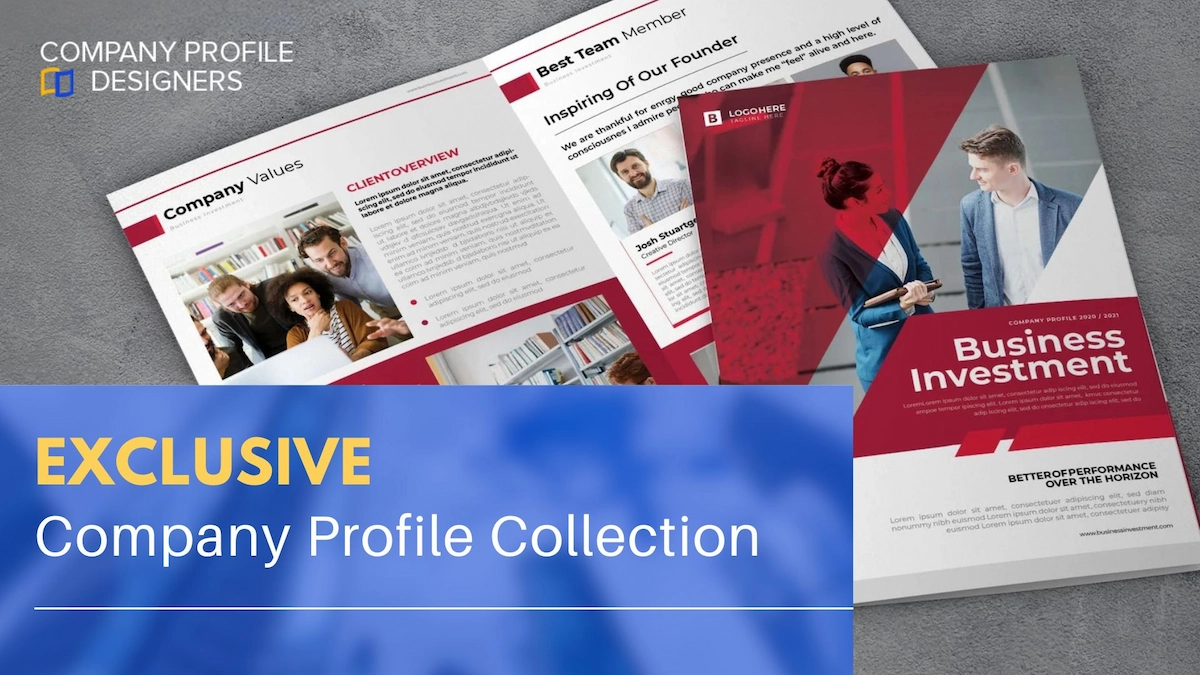
Looking for professional company profile samples to understand how a business profile should be structured and designed? Explore our collection of company profile examples created for different industries, business types and purposes.
A company profile introduces a business, its capabilities, products or services, experience, achievements and other important information. The way this information is written and presented can vary considerably depending on the company’s industry and audience.
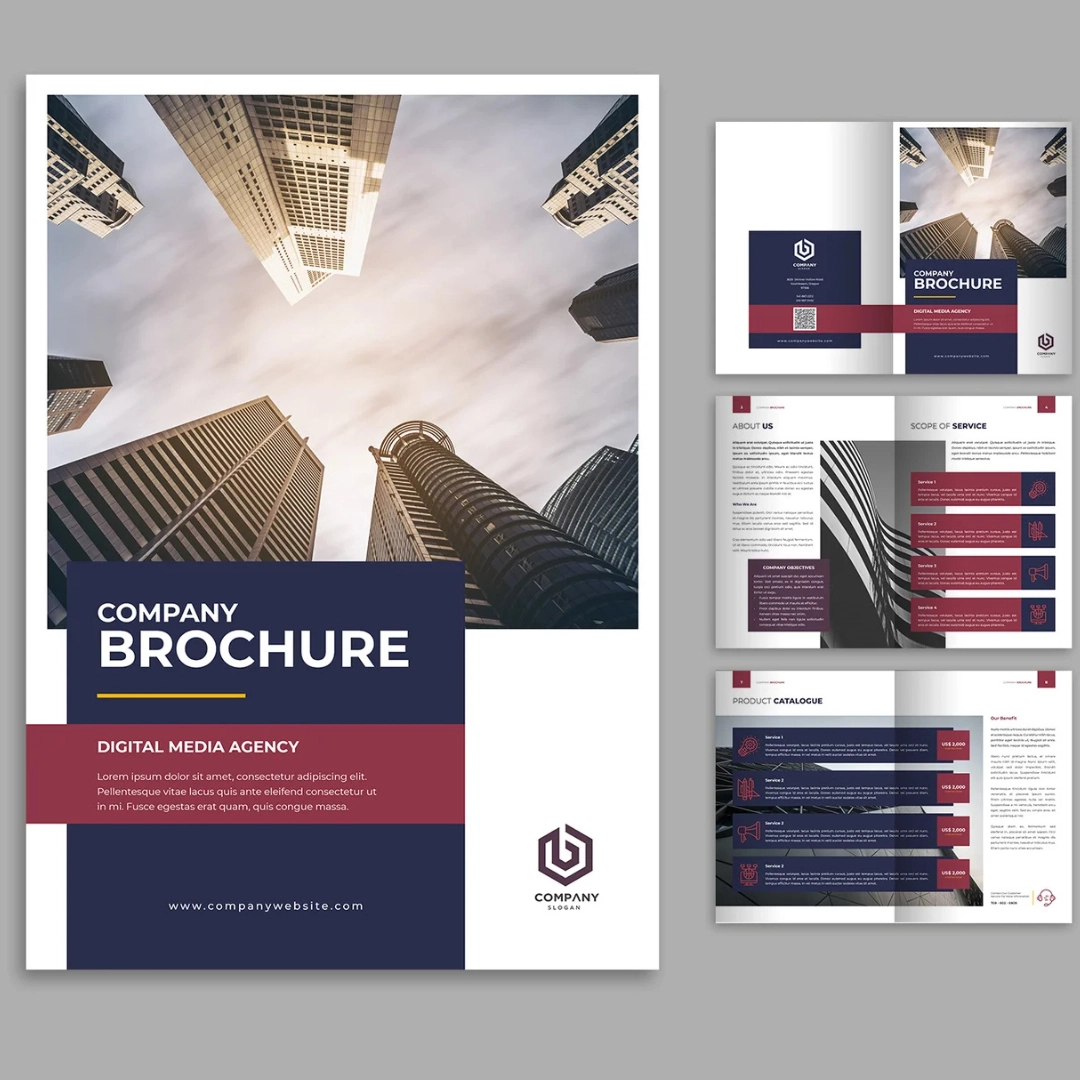
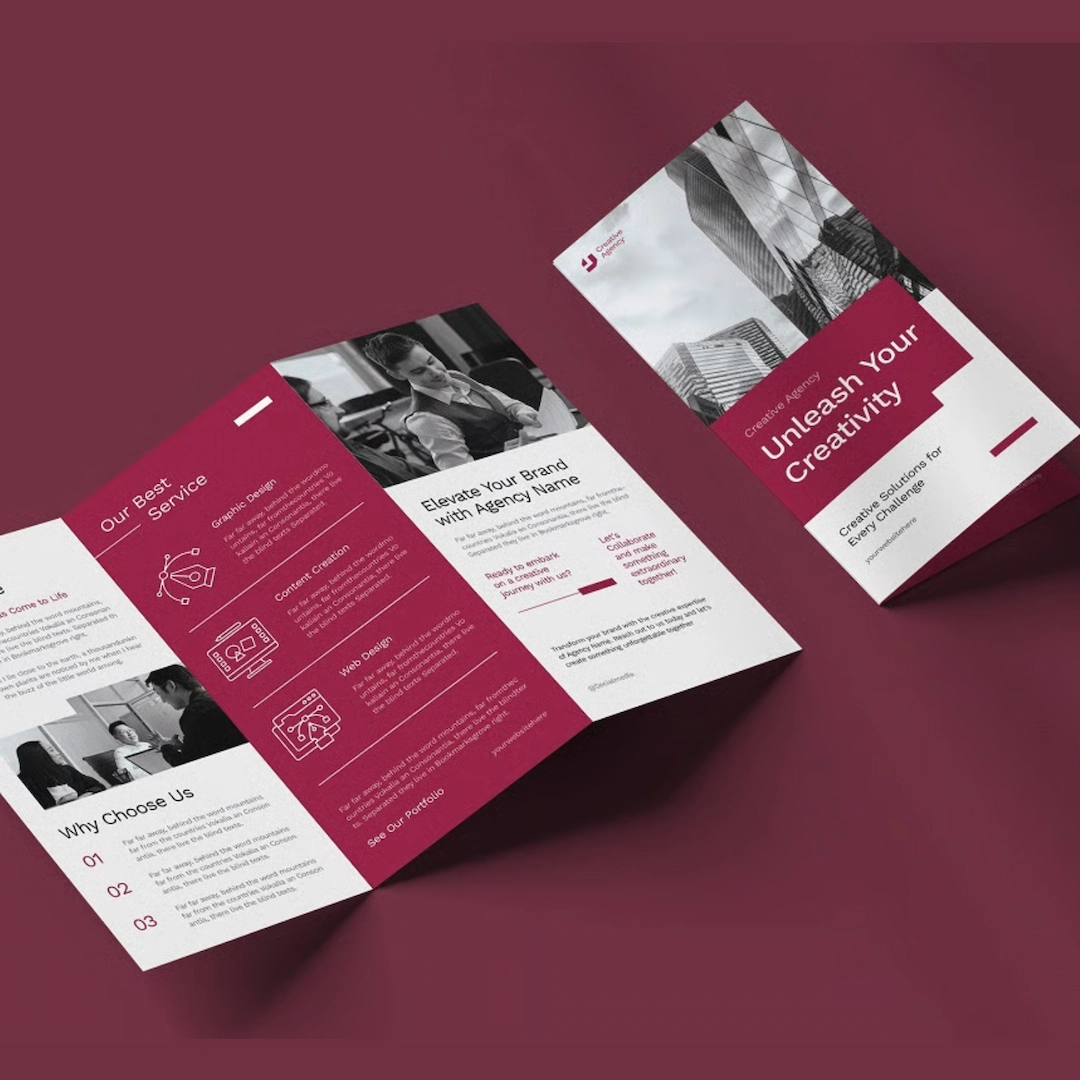
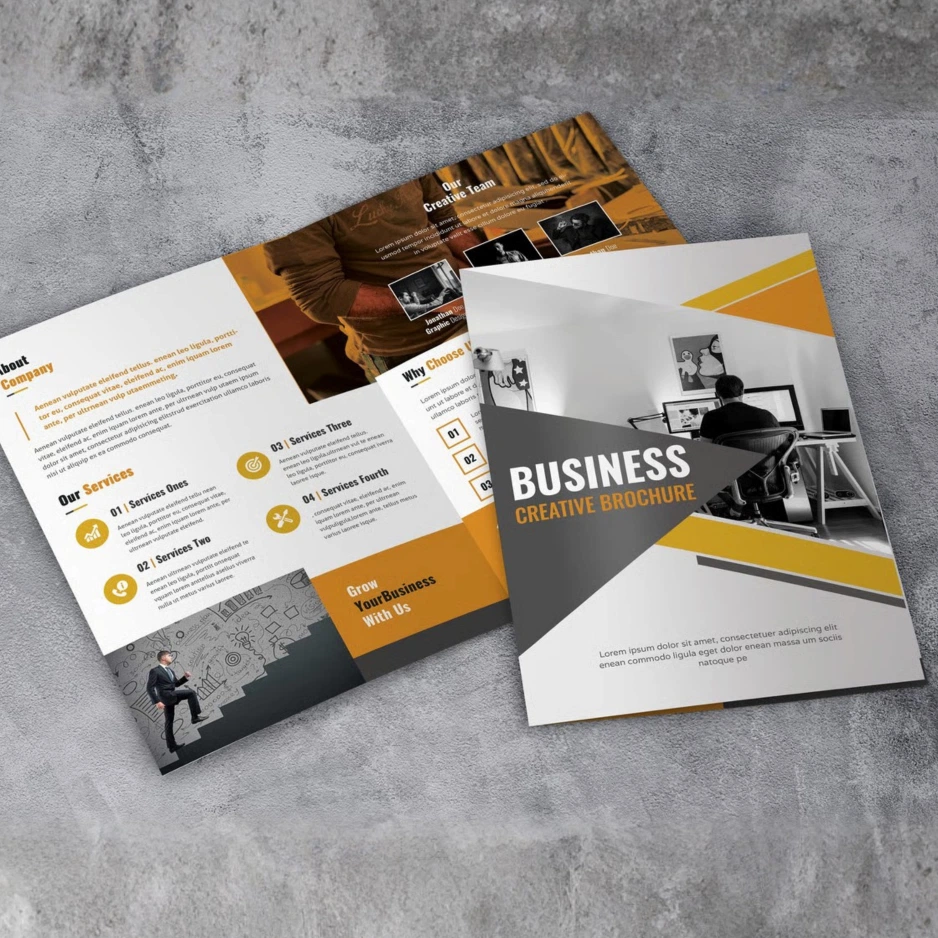
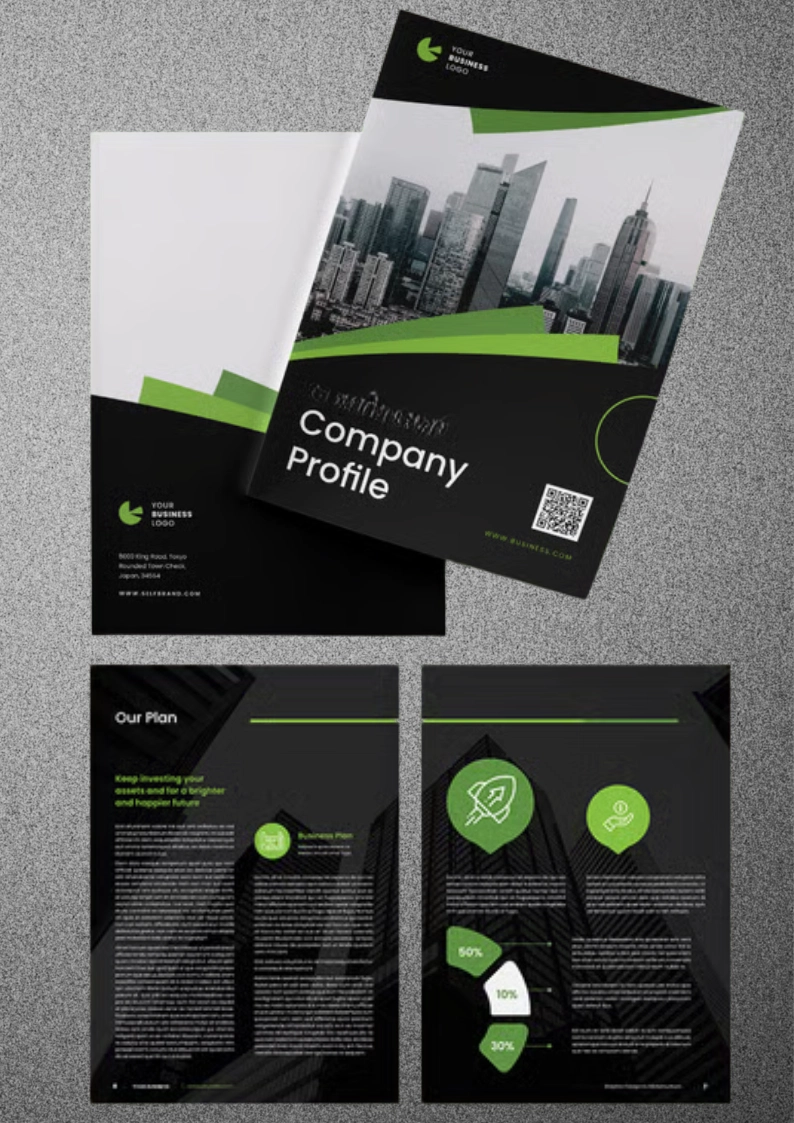
These company profile samples and examples can help you explore different content structures, page layouts, visual styles and presentation approaches before creating your own profile.
What Is a Company Profile Sample?
A company profile sample is a completed or illustrative example of how a business can present its information in a professional document. It can show the structure, content, design and visual presentation used in a company profile.
Samples can range from simple business introductions to detailed corporate profiles containing services, projects, infrastructure, certifications, management information and company achievements.
A sample is different from a template. A sample demonstrates how a finished profile can look, while a template provides a predefined structure that can be edited with your own information.
Why Review Company Profile Examples Before Creating One?
Reviewing relevant samples can make it easier to plan both the content and design of your company profile.
Company profile examples can help you:
- Understand how information is organized
- Identify sections relevant to your business
- Find ideas for page layouts and visual presentation
- Decide how to showcase products and services
- See how projects and achievements can be presented
- Compare different design approaches
- Plan the length and structure of your profile
- Communicate your requirements to a writer or designer
The most useful sample is not necessarily the most visually elaborate one. It should be relevant to your industry, business objectives and intended audience.
Explore Our Company Profile Samples
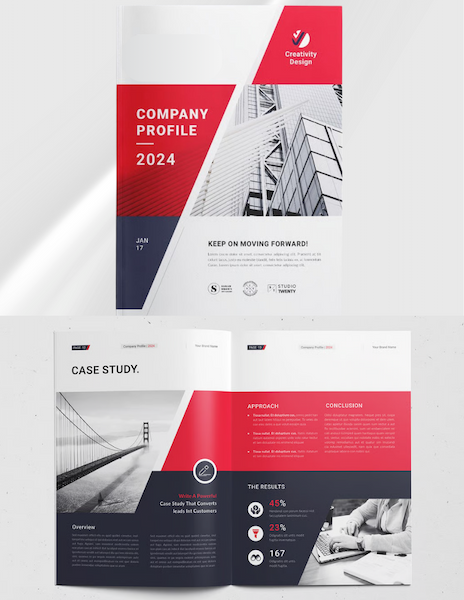
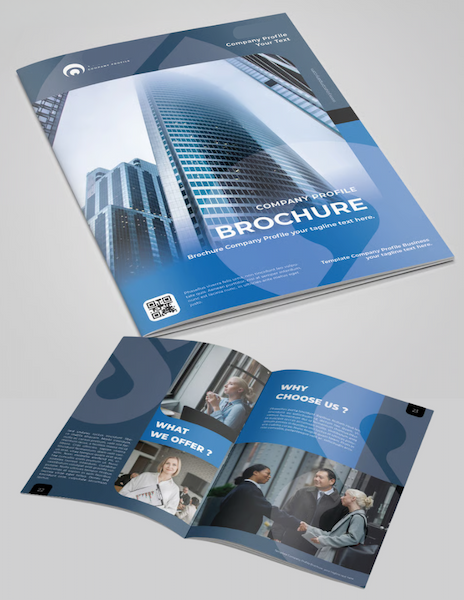
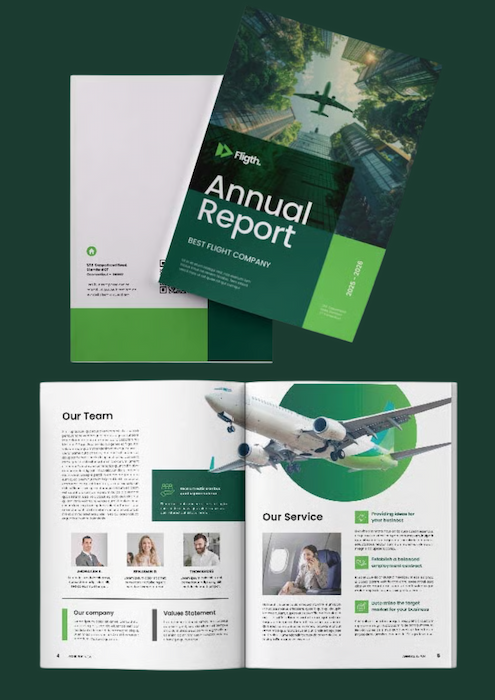
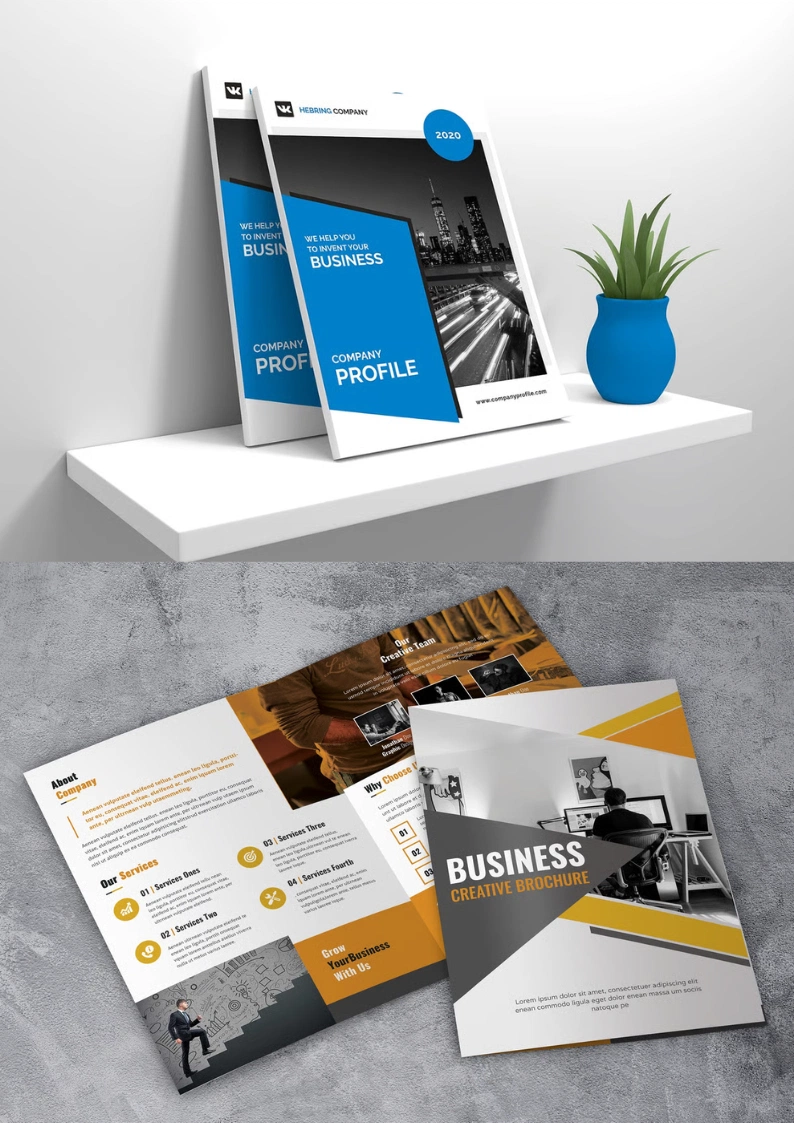
Browse our collection of company profile design samples created for different business categories and communication purposes.
Each sample demonstrates how elements such as company information, services, projects, photographs, statistics, certifications and brand identity can be brought together in a structured document.
The following company profile samples can help businesses identify suitable structures for their own industry.
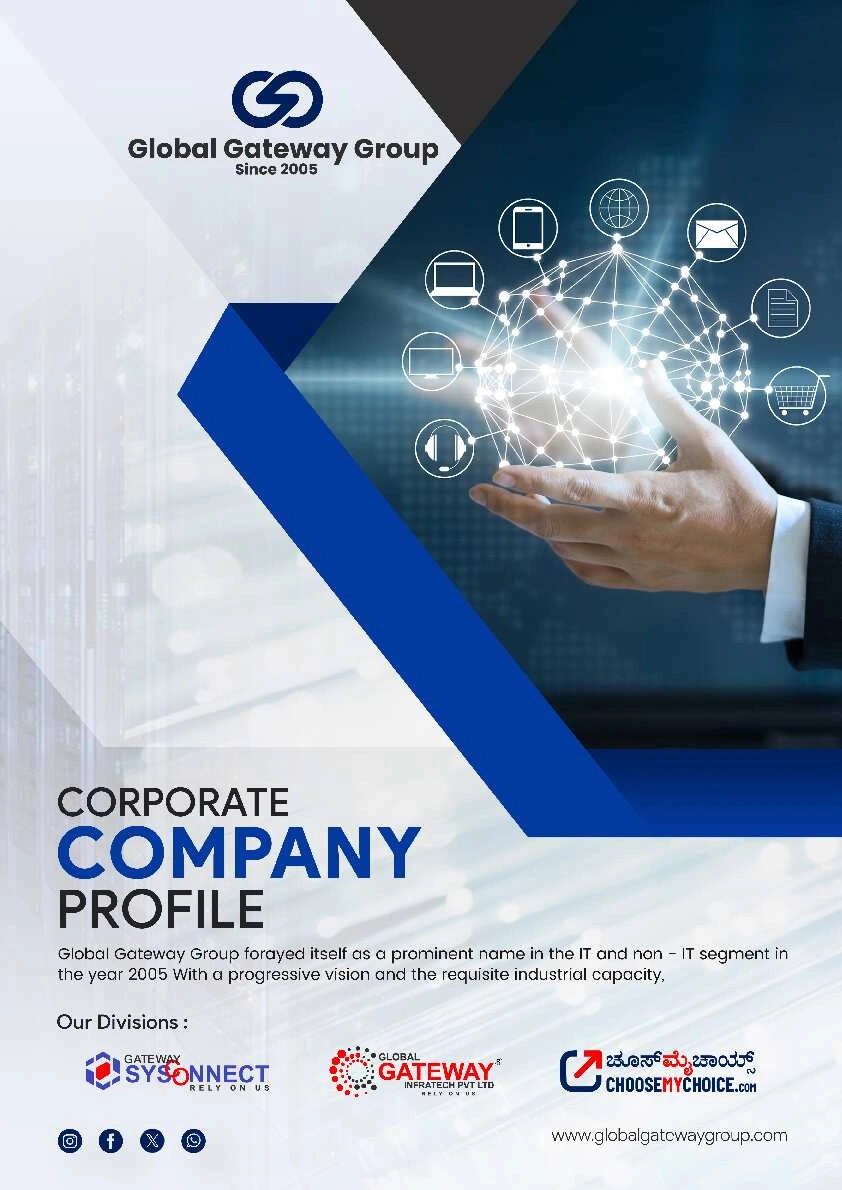


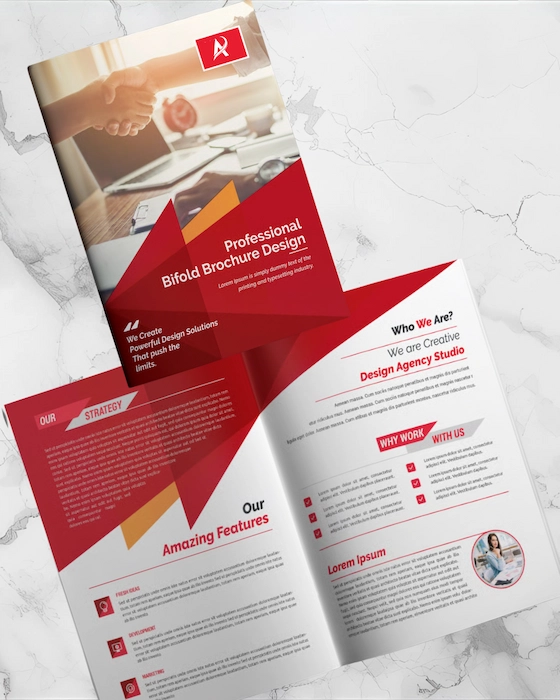
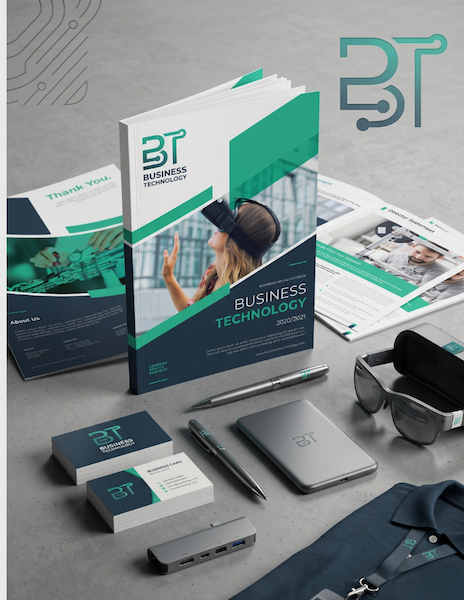
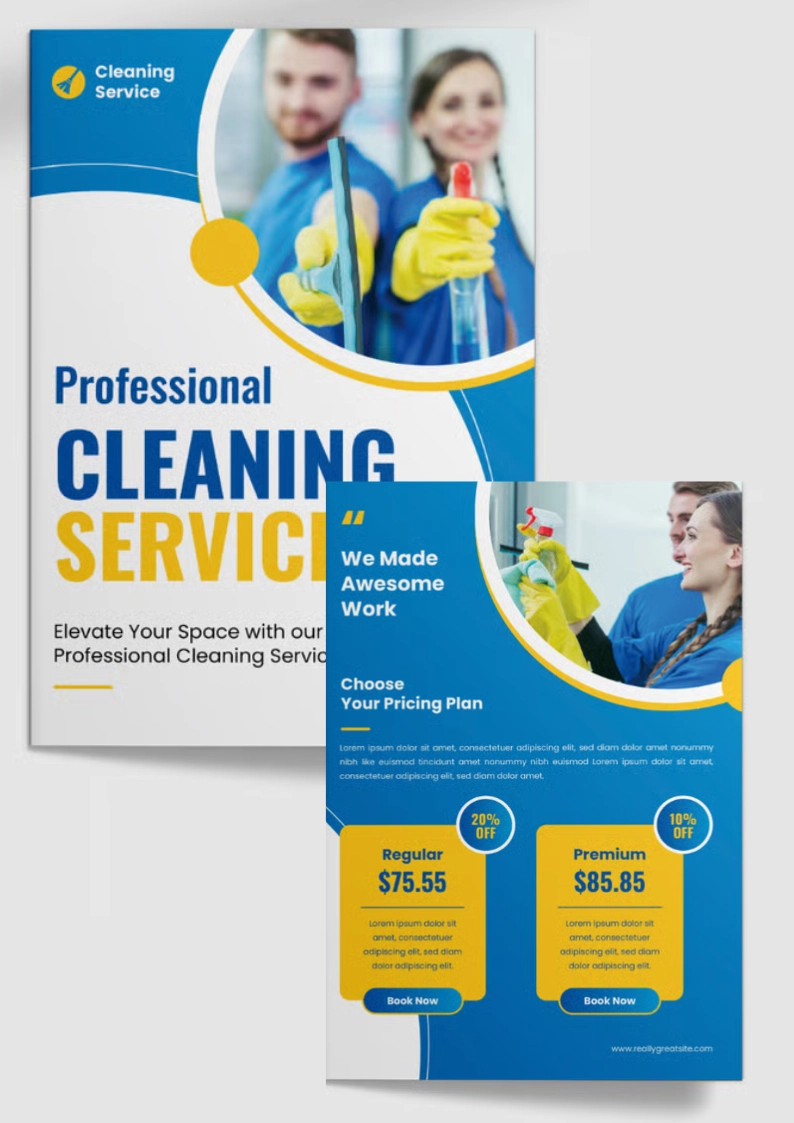
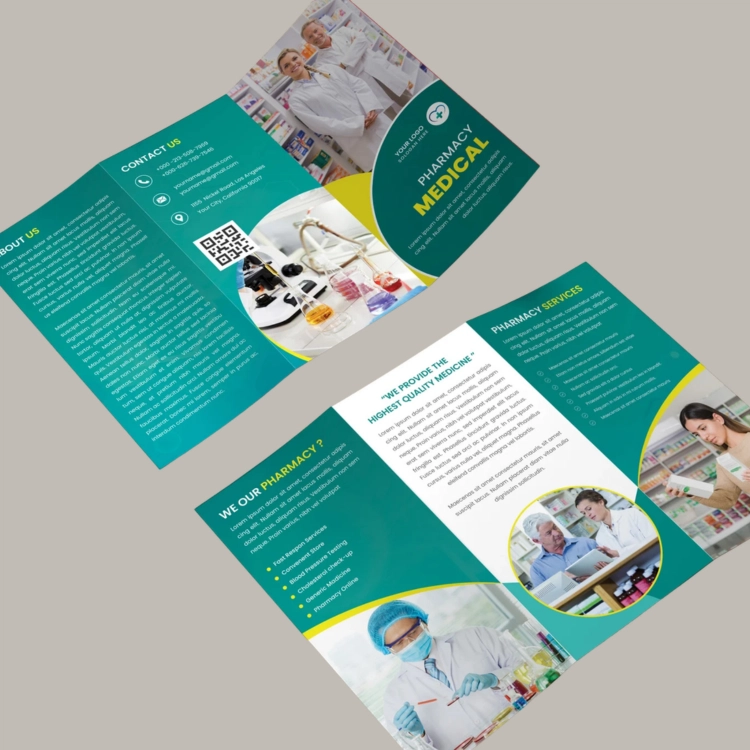
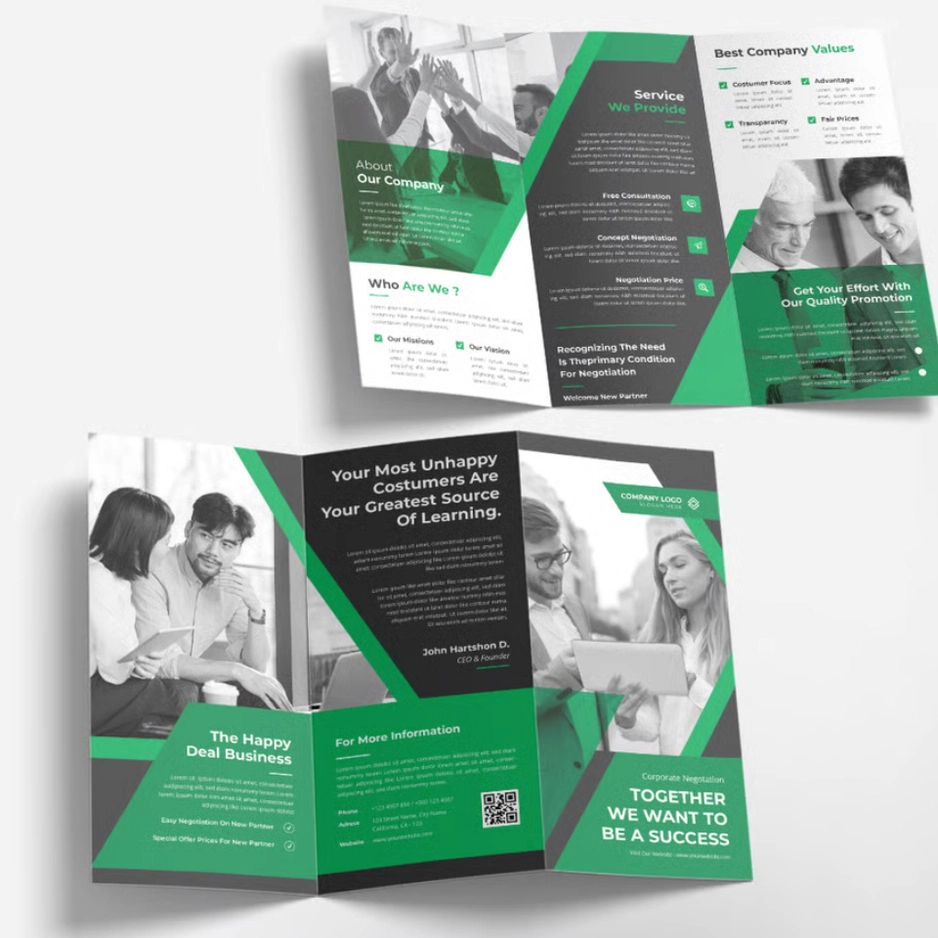
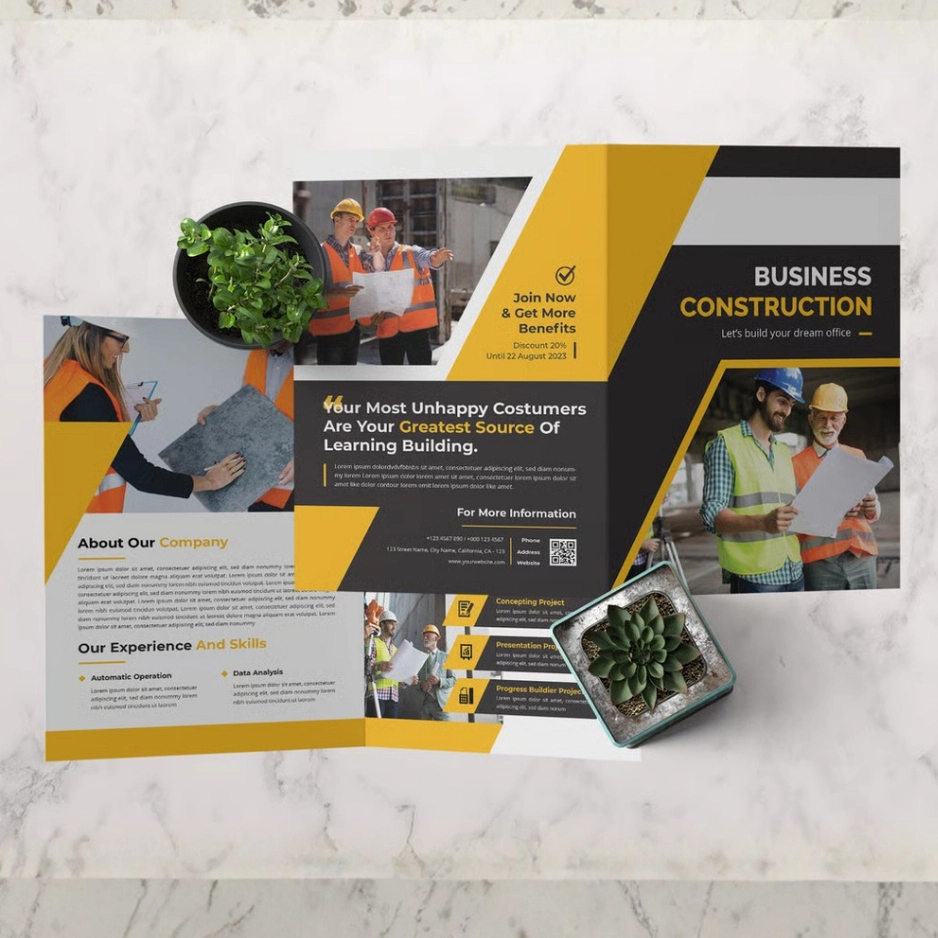

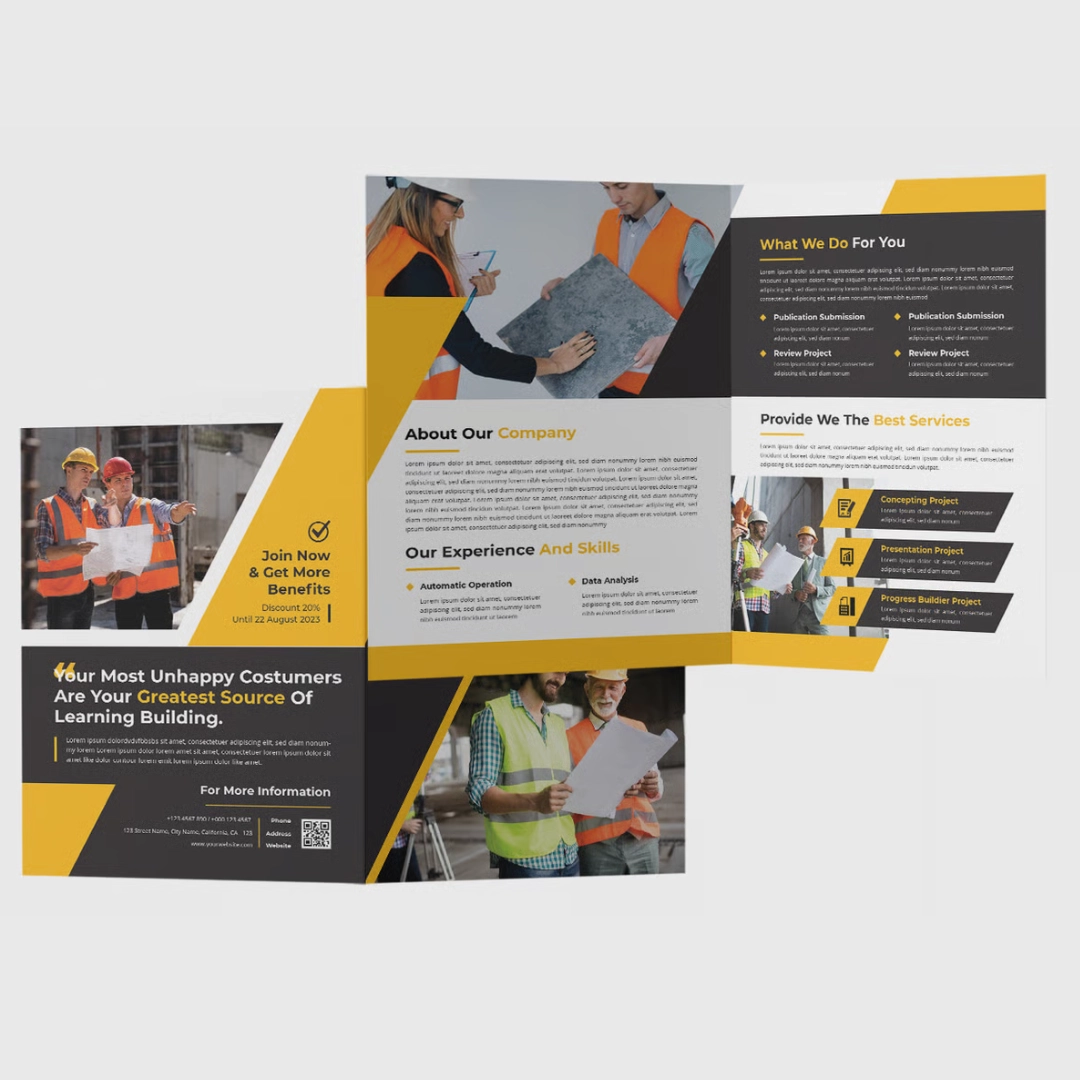
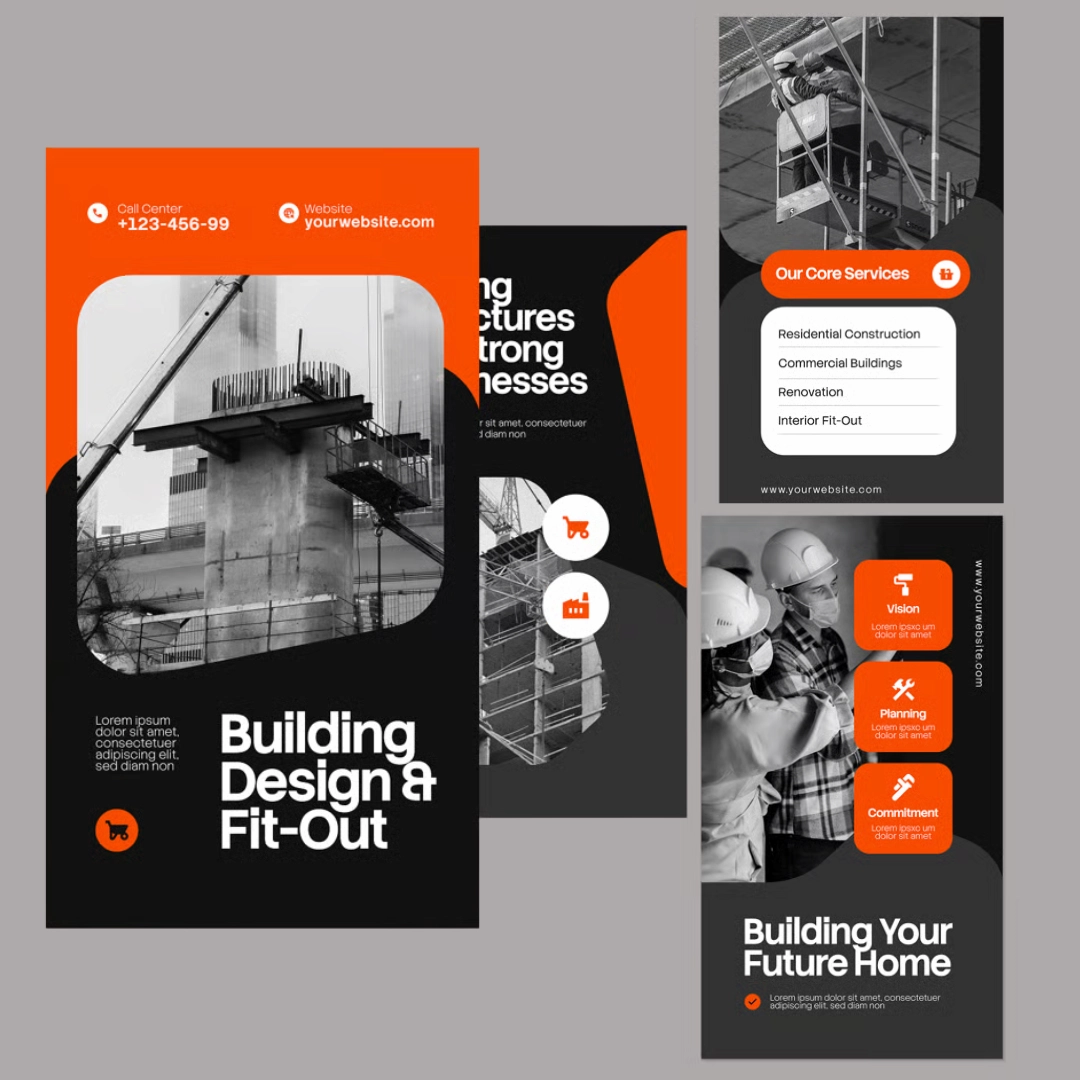
Company Profile Samples by Industry, Business Type and Purpose
Company profile samples can vary significantly depending on the industry, size of the business, target audience, and purpose of the document. A manufacturing company may need to present its production capabilities and certifications, while a startup may focus more on its vision, business model, and growth plans.
Here are examples of company profiles across different industries, business types, and professional purposes.
Company Profile Samples by Industry
IT Company Profile Example
An It company profile highlights technology expertise, software solutions, technical capabilities, and innovation. It can include services, technologies and platforms, development capabilities, major projects, certifications, and client success stories.
Construction Company Profile
A construction company profile presents the company’s experience, completed projects, technical capabilities, equipment, workforce, and safety practices. Certifications, project timelines, and expertise in handling residential, commercial, or infrastructure projects may also be included.
Healthcare Company Profile Sample
A healthcare company profile focuses on medical expertise, patient care, facilities, healthcare services, professional credentials, and quality standards. Hospitals and healthcare businesses can use the profile to communicate their specialist services, infrastructure, and institutional capabilities.
Manufacturing Company Profile Sample
A manufacturing company profile showcases production capacity, manufacturing facilities, machinery, technology, quality control, product range, and supply chain capabilities. Certifications and domestic or international distribution networks can also be highlighted.
Educational Institution Profile Example
An educational institution profile presents academic programs, faculty expertise, campus infrastructure, facilities, achievements, and institutional credentials. It can be used by schools, colleges, training institutes, and other educational organizations to communicate their academic strengths.
Real Estate Company Profile Sample
A real estate company profile highlights the company’s property portfolio, completed and ongoing projects, locations, market experience, and development capabilities. Residential, commercial, or industrial projects can be presented along with the company’s approach to customer service.
Marketing and Advertising Agency Profile
A marketing and advertising agency profile focuses on creative capabilities, branding and marketing services, campaigns, industry expertise, and client results. Portfolio highlights, notable campaigns, case studies, awards, and areas of specialization can demonstrate the agency’s capabilities.
Financial Services Company Profile
A financial services company profile emphasizes professional expertise, services, credentials, regulatory compliance, and client relationships. Depending on the organization, it may cover accounting, investment, insurance, wealth management, banking, or other financial services.
E-commerce Company Profile Sample
An e-commerce company profile introduces the business, product categories, online operations, fulfilment capabilities, logistics, and customer experience. It can also highlight digital infrastructure, distribution networks, geographic reach, and business milestones.
Tourism Company Profile Example
A tourism company profile highlights destinations, travel services, accommodation, tour packages, facilities, customer experience, and operational capabilities. Visual presentation and destination imagery can play an important role in communicating the experience associated with the brand.
Logistics and Supply Chain Company Profile
A logistics and supply chain company profile focuses on transportation capabilities, delivery networks, fleet strength, warehousing, distribution infrastructure, and operational efficiency. Geographic coverage, tracking systems, and industry-specific logistics capabilities may also be presented.
Consulting Company Profile Sample
A consulting company profile presents the firm’s professional expertise, areas of specialization, problem-solving capabilities, and industry knowledge. It may include consulting services, team expertise, client success stories, case studies, certifications, and previous project experience.
Company Profile Samples by Business Type
Startup Company Profile Sample
A startup company profile focuses on the business idea, vision, products or services, value proposition, market opportunity, and growth plans. It may also introduce the founding team, business model, early achievements, and future objectives to help potential clients, partners, and investors understand the business.
Corporate Company Profile Example
A corporate company profile presents an established organization’s history, market presence, leadership, business operations, products or services, achievements, and organizational capabilities. It generally follows a structured and professional format designed for clients, partners, investors, suppliers, and other stakeholders.
Small Business Company Profile Sample
A small business company profile is usually concise and focused on the company’s local presence, services, experience, customer relationships, and areas of expertise. It can help smaller businesses communicate their capabilities and establish credibility with prospective customers and business partners.
Company Profile Samples by Purpose
Investor-Focused Company Profile Sample
An investor-focused company profile is prepared to communicate a company’s business model, financial highlights, market opportunity, growth potential, competitive position, and future plans. It provides prospective investors with a concise overview of the business and the factors that may influence its growth.
Tender Company Profile Sample
A tender company profile is prepared for government, corporate, or institutional tender submissions. It typically presents company credentials, relevant experience, completed projects, technical capabilities, certifications, registrations, key personnel, and other information required to demonstrate eligibility and capability.
Company Profile Examples for Business Proposals
A company profile included in a business proposal introduces the organization to a prospective client or partner. It generally covers company background, services, expertise, relevant experience, achievements, and capabilities that are directly related to the proposed project or business opportunity.
Sales and Marketing Company Profile Sample
A marketing-focused profile places greater emphasis on products, services, customer benefits, differentiators, portfolio, achievements and brand presentation.
Partnership Company Profile Sample
A profile prepared for potential partners can focus on business capabilities, market presence, resources, expertise, distribution networks, previous collaborations and areas for partnership.
What to Look for in a Professional Company Profile Sample?
Not every company profile example is a good reference. When evaluating a sample, look beyond colours and graphics and consider how effectively it communicates the business.
- Clear Company Story – A strong profile should make it easy to understand who the company is, what it does and what experience or capabilities it brings.
- Strong Value Proposition – The profile should communicate why customers, partners or other stakeholders should consider the company.
- Logical Content Structure – Sections should follow a sensible order so that readers can move naturally from the company introduction to its services, capabilities, experience and credentials.
- Consistent Brand Identity – The colours, typography, photography, icons and graphic elements should work together and reflect the company’s existing brand identity.
- Professional Visual Design – A professional layout should provide sufficient white space, clear hierarchy and consistent alignment rather than filling every page with information.
- Relevant Images and Graphics – Project photographs, product images, facility photographs, charts and diagrams should support the information instead of being used only as decoration.
- Credibility Elements – Certifications, awards, major projects, client logos, registrations, statistics and other verifiable credentials can strengthen the profile when they are relevant.
Key Sections Found in Company Profile Samples
Company Profile Introduction

A concise overview of the business and its main activities.
About the Company

Background information covering the company’s history, development and areas of operation.
Mission, Vision and Core Values

Information explaining the company’s purpose, direction and principles.
Products and Services
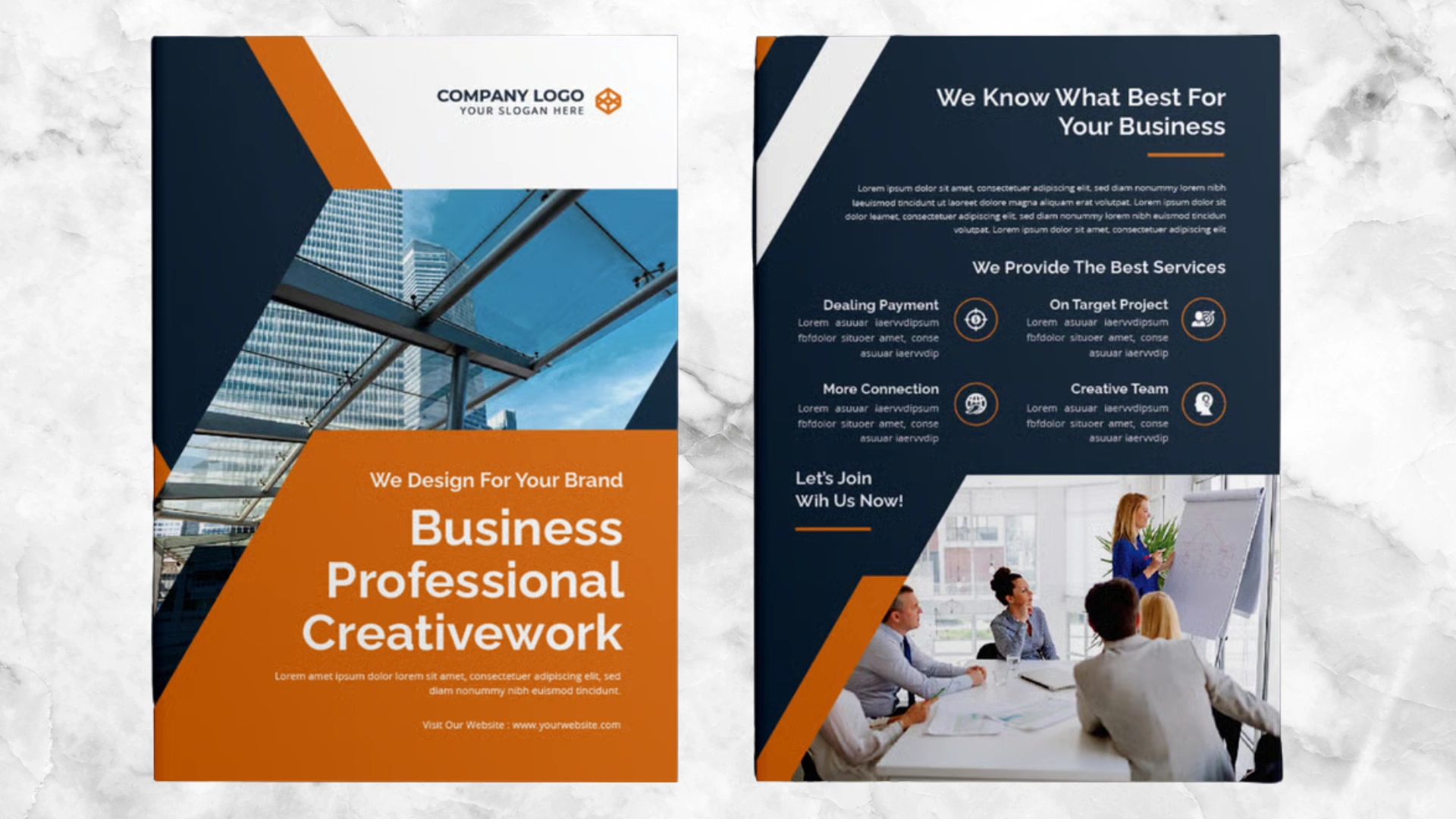
A clear presentation of the company’s main products, services or solutions.
Capabilities
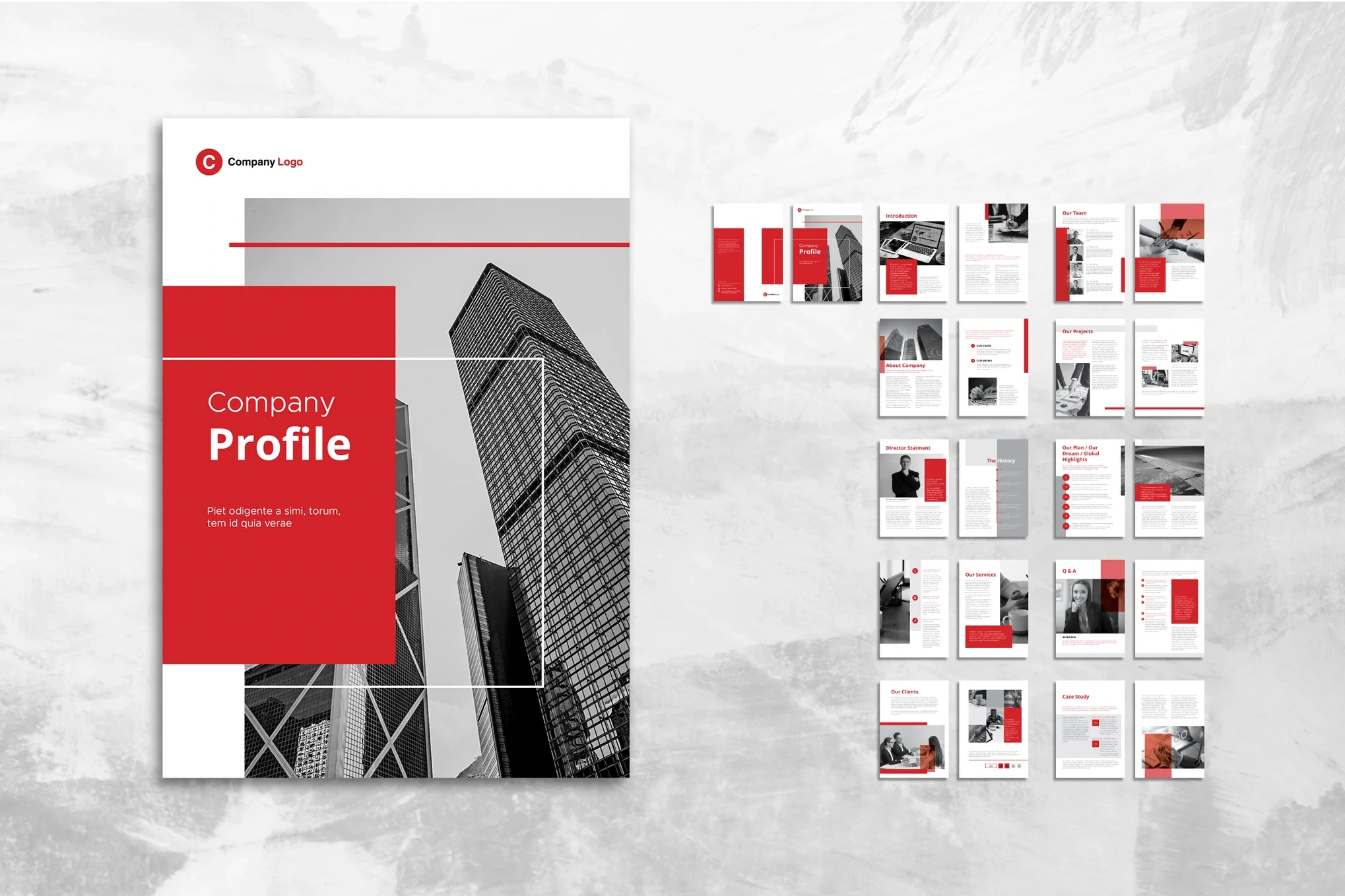
Details about technical, operational, manufacturing or professional capabilities.
Projects and Experience
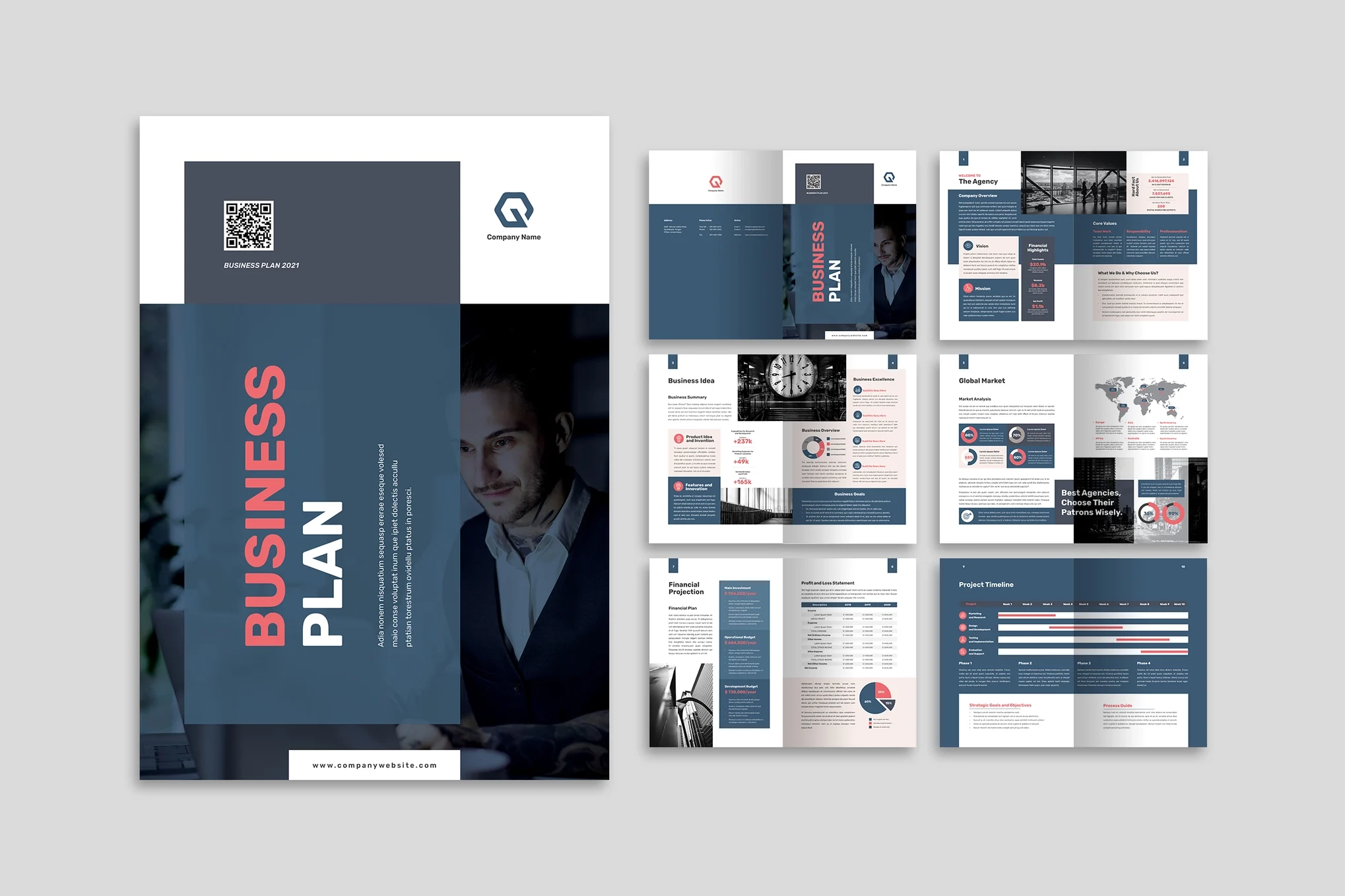
Selected projects, case studies or previous work demonstrating relevant experience.
Leadership and Team
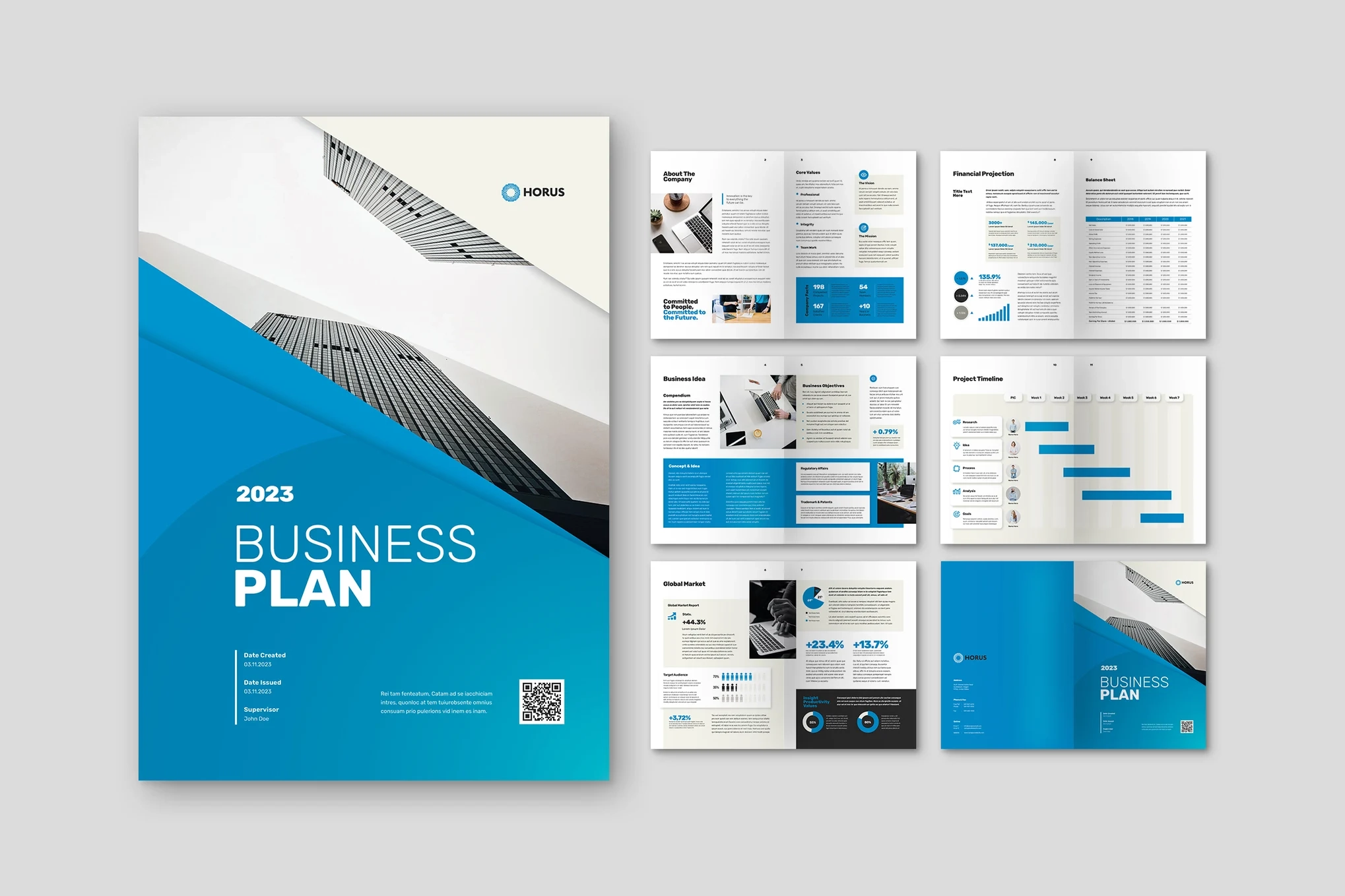
Clients and Partners
Certifications and Awards
Contact Information
Essential contact details and locations for further communication.
Company Profile Samples in PDF Format
PDF is one of the most commonly used formats for sharing a company profile with clients, procurement teams, investors, partners and other stakeholders.
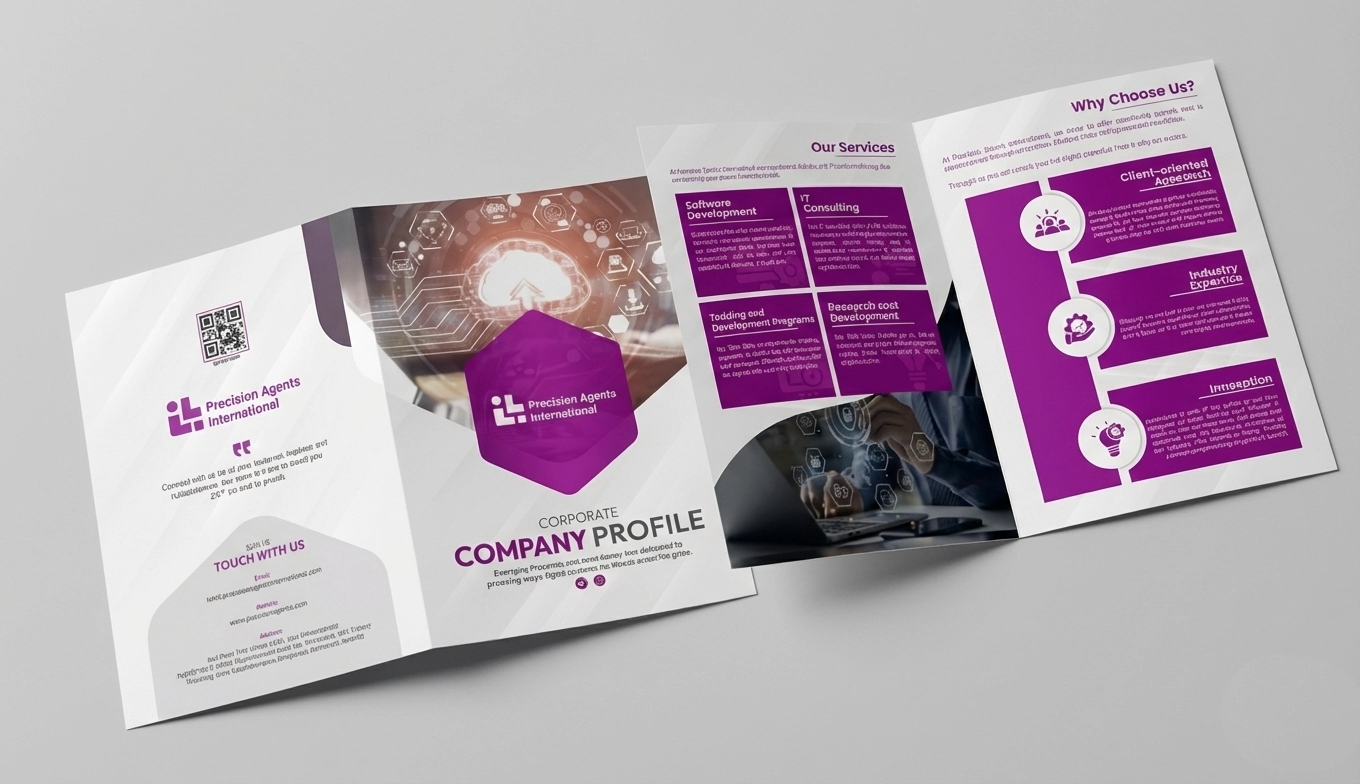
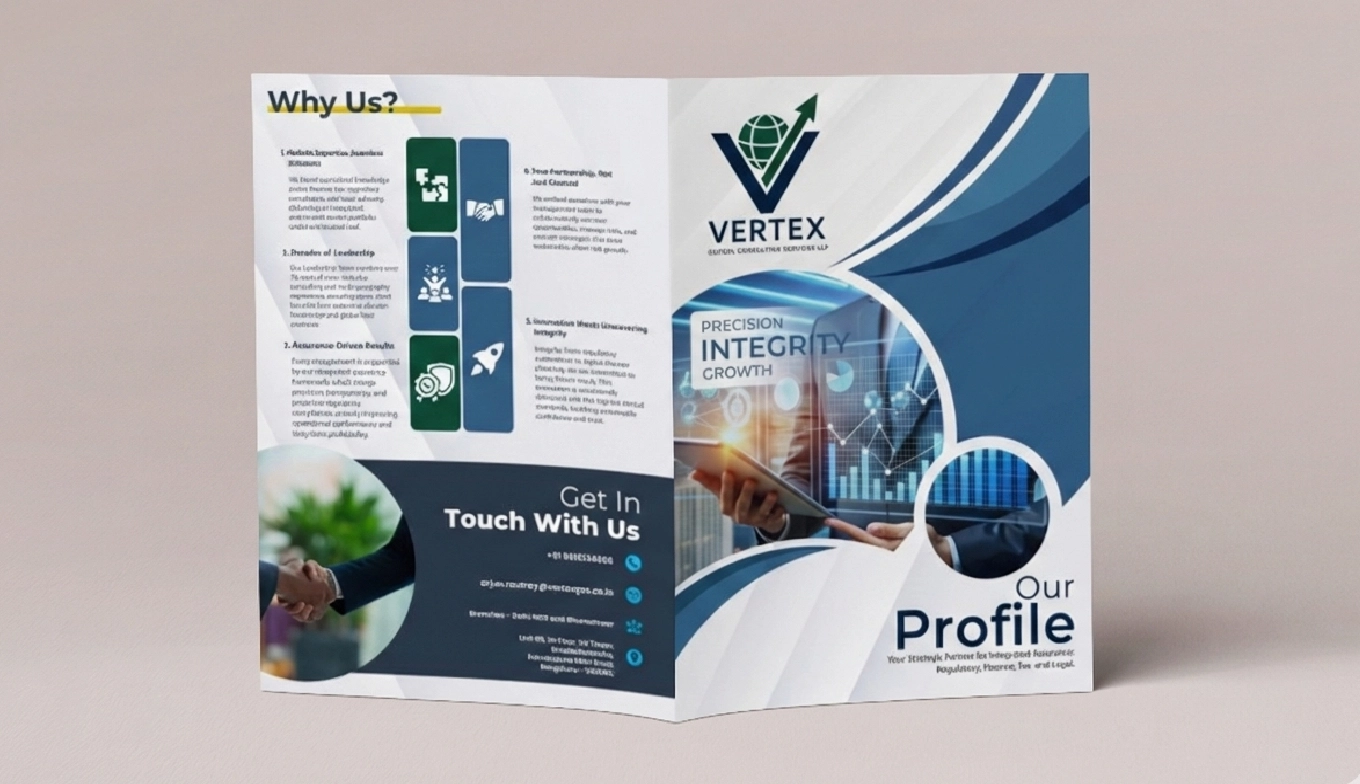
Company profile PDF samples allow you to review the complete document rather than individual design pages. They can help you understand how the cover, contents, company information, services, projects and closing sections work together.
A downloadable company profile PDF may include:
- Cover page
- Contents
- Company overview
- Services or products
- Capabilities
- Projects
- Team
- Certifications
- Achievements
- Contact details
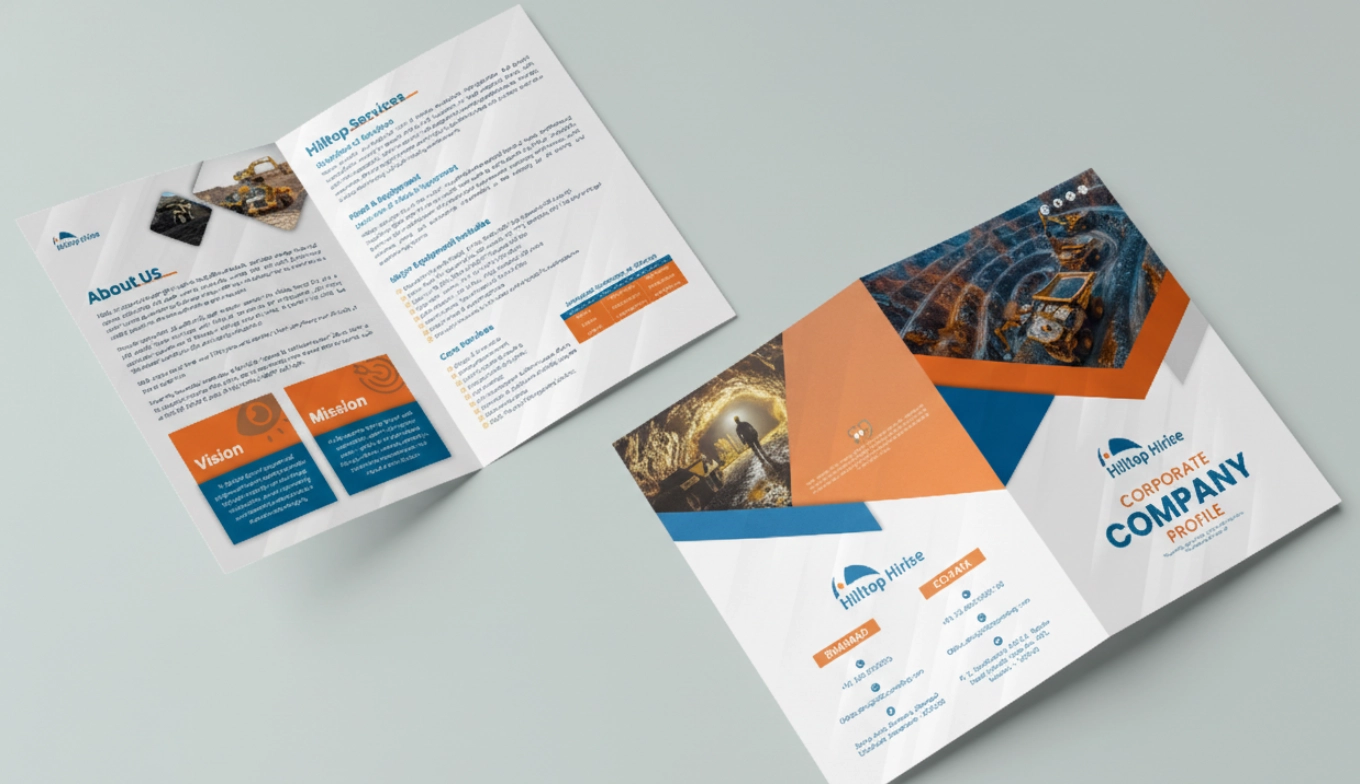
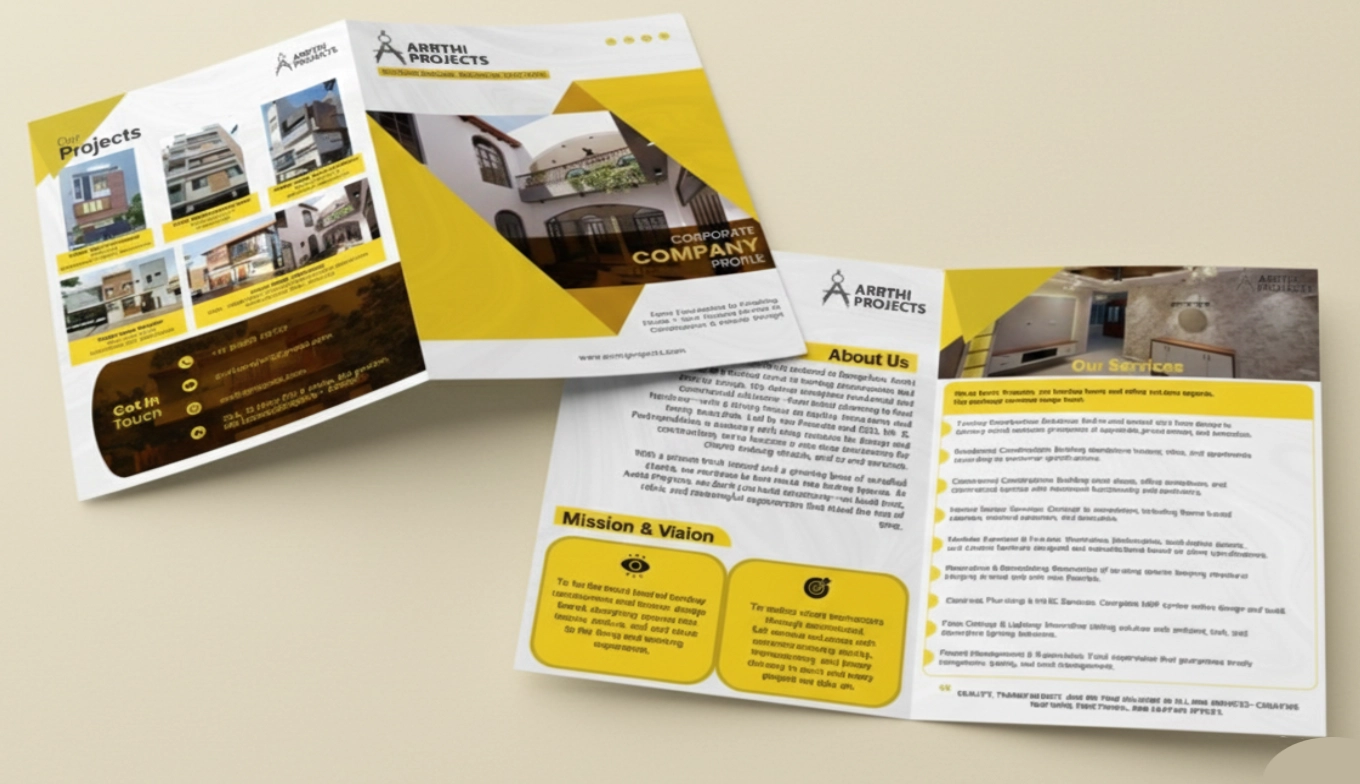
Tools Used Create Company Profile Examples
You can create a professional company profile using:
- Canva – Easy drag-and-drop designs
- Microsoft PowerPoint – Simple and flexible
- Adobe InDesign – Advanced professional layouts
- Google Docs – Quick and easy drafting
These tools help you design visually appealing and structured profiles.
Company Profile Samples vs Company Profile Templates
A company profile sample and a company profile template have different purposes.
| Company Profile Sample | Company Profile Template |
|---|---|
| Shows a completed or illustrative profile | Provides a predefined structure |
| Used for reference and inspiration | Used as a starting point |
| Demonstrates content and design | Contains editable sections or placeholders |
| Usually reflects a specific business | Designed for reuse |
If you are looking for an editable starting structure, explore our company profile templates.
How to Choose the Right Company Profile Sample
Choose samples based on your own requirements rather than simply selecting the most attractive design.
Consider:
Industry: Look for samples from your industry or a related business category.
Purpose: Decide whether the profile is intended for marketing, tenders, investors, proposals or general corporate communication.
Audience: Consider who will read the profile and what information they are likely to need.
Content: Select a structure that can accommodate your services, projects, credentials and other important information.
Brand: The final design should work with your company’s existing identity.
Format: Decide whether you need a PDF, presentation, brochure or digital profile.
